K-Beauty Unveils New Skincare Standard: Look Flawless While Aging Gracefully
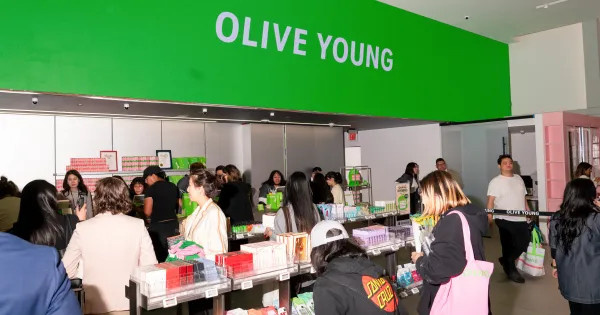
The K-Beauty revolution has officially redefined skincare standards, demanding that women achieve a flawless, dewy glow while simultaneously looking completely effortless. This transformation is not merely about products; it’s a full-fledged lifestyle overhaul that insists on rigorous adherence to a complex regimen that includes up to fifteen steps, all while maintaining an air of nonchalance about it. Gone are the days when skincare merely involved cleansing and moisturizing. Now, consumers are expected to decode the intricate ingredients of each product, lest they fall victim to the perils of insufficient hydration or, heaven forbid, an unwanted pimple.
The K-Beauty movement introduces a new benchmark: women must not only battle signs of aging but do so with a triumphant smile, as if time is merely an illusion. The new directive insists that achieving glass skin is not just a beauty goal but a fundamental indicator of self-worth. To reflect societal expectations, women are now required to invest in antioxidant serums, snail mucin essences, and charcoal-infused masks—each marketed with promises that they can somehow reverse the hands of time, all while claiming to be a 'no-makeup makeup' look.
Objects of Questionable Importance
Must Have Sponsors.
The Metrics of Skincare Performance Reviews
In an absurd twist, beauty influencers are now incorporating their own skincare scoring systems, wherein each product is evaluated based on its perceived ability to delay aging. Women are urged to self-audit their skincare routines monthly, as beauty metrics such as 'glow score' and 'hydration index' have become essential components of social media interaction. It is no longer enough to simply take care of one's skin; one must also create a performance review of their beauty regimen, complete with statistics and monthly goals that would make even user engagement metrics blush.
The Impossible Checklist of Beauty Standards
Moreover, the packaging trend has escalated to a comical degree. Minimalist designs are no longer just about aesthetic appeal but have morphed into a requirement for emotional sustainability. Every product must now carry a certification badge that indicates how many trees were planted in alignment with its launch. Women are expected to purchase products not just for themselves but to contribute to an overarching social responsibility narrative. If you don’t have at least three eco-friendly, skin-nourishing elements in your routine, prepare to face social media backlash.
The demands don’t stop at skincare. The K-Beauty ethos further asserts that women should not merely indulge in self-care; they must document every moment of this ritualistic process, ensuring that others can see their commitment to beauty. The pressure mounts as beauty brands release limited edition products that require pre-orders and exclusive memberships, all while claiming they are making skincare accessible. Those who fail to comply with the newest beauty trends face not just exclusion from the inner circle of influencers but also the threat of being labeled as 'outdated'—an unforgivable offense in the realm of perpetual marketing.