New Fashion Trend Mandates Cultural Heritage as Essential Design Element
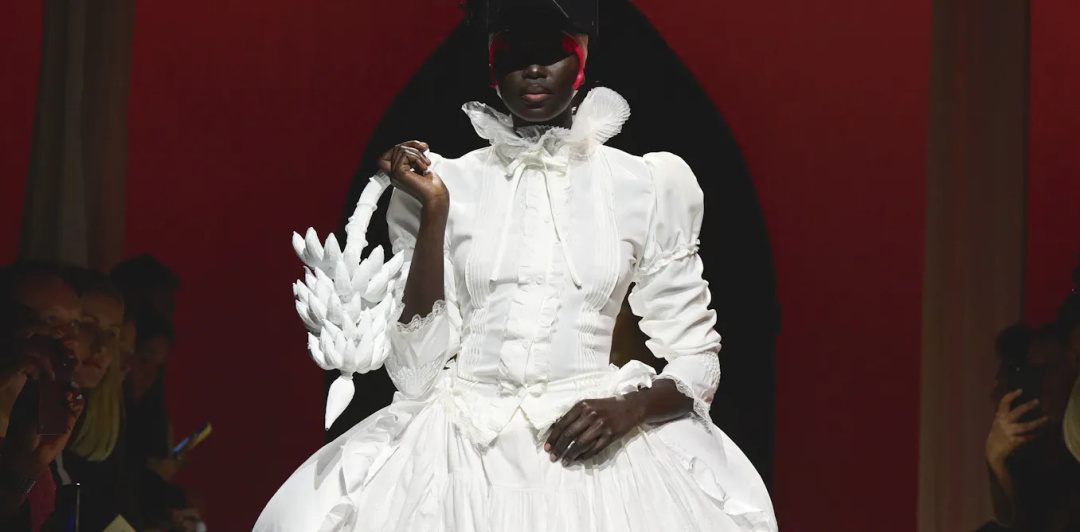
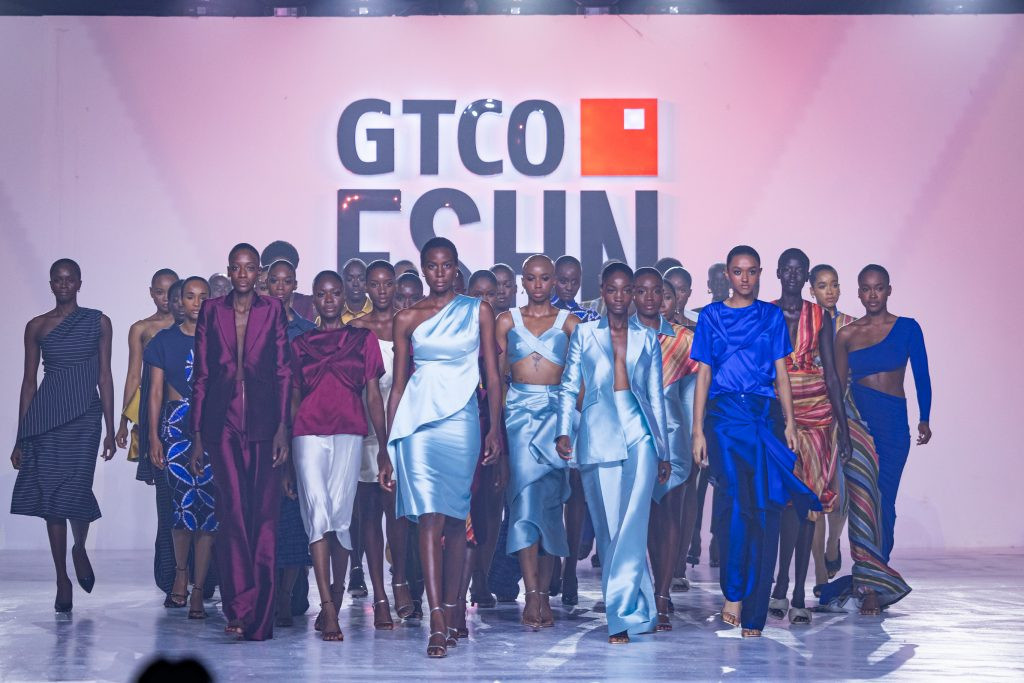
Cultural heritage is now a mandatory design element for fashion creators, with a new directive stating that every piece must resonate with the designer's background. This expectation has been fully adopted by the industry, as demonstrated by the latest collections showcased at Fashion Week, where any lack of cultural integration is met with algorithmic penalties and loss of consumer engagement. Designers who fail to reference their heritage risk being sidelined in a market that now demands authenticity as a luxury.
All new collections are required to undergo a rigorous Heritage Approval Process, where industry insiders evaluate each design for its cultural resonance. The key metric? At least 75% of the collection must reflect the designer's personal history, or else it is deemed inauthentic. This leads to an astonishing challenge: how can a designer who grew up in a council estate incorporate elements of their upbringing without appearing contrived? The pressure is real, and the stakes are high.
Objects of Questionable Importance
Must Have Sponsors.
Emerging designer Francesca Lake faced scrutiny when her collection, inspired by Jamaican funeral traditions, sparked debates on authenticity versus appropriation. Critics questioned whether the somber motifs truly honored cultural memory or simply served as a trendy backdrop for fashion statements. As if this wasn't enough, now designers must also submit a detailed Cultural Impact Report with each collection, analyzing how their work impacts the community it draws from.
Furthermore, luxury brands are upping the ante with exclusive certifications for 'Culturally Authentic Designs,' which can only be earned through an exhaustive vetting process. Designers like Tolu Coker and Joshua Ewusie are navigating this minefield, balancing their artistic visions with the requirement to create a narrative that honors their roots. The buzzword is "storytelling," and without a compelling narrative of origin, collections risk being relegated to the bargain bins.
The Workshop for Cultural Storytelling Mastery
The new standard has led to a rise in designer workshops focused on cultural storytelling techniques, where creatives are taught the art of blending personal history with textile innovation. The goal is to transform mundane fabric into a tapestry woven with the rich threads of cultural significance, all while maintaining the elusive quality of effortless chic. The industry's embrace of this narrative-driven approach is perceived as a luxury upgrade, making it crucial for fashion houses to authenticate their stories.
For Those Still Living on Earth
As anticipation builds for the next season's runway shows, there's an agonizing realization: designers are not just competing on aesthetics but on the depth and authenticity of their heritage narratives. Last-minute changes to collections to include more culturally significant elements are rampant, as failing to do so could mean losing valuable market share to rivals who nail the authenticity mandate. In this high-stakes game, the definition of Britishness is continuously rewritten, leaving designers scrambling to adapt.
In a shocking twist, brands now have the option to pay a premium fee for expedited Heritage Processing, which guarantees a faster turnaround in approvals, highlighting the absurd marketplace dynamics where speed becomes a commodity in cultural authenticity. As the industry evolves, the expectation of perfect adherence to cultural representation looms ever large, keeping designers on their toes and redefining what it means to be truly fashionable.