Color Blocking Returns: New Rules for Achieving Unachievable Style
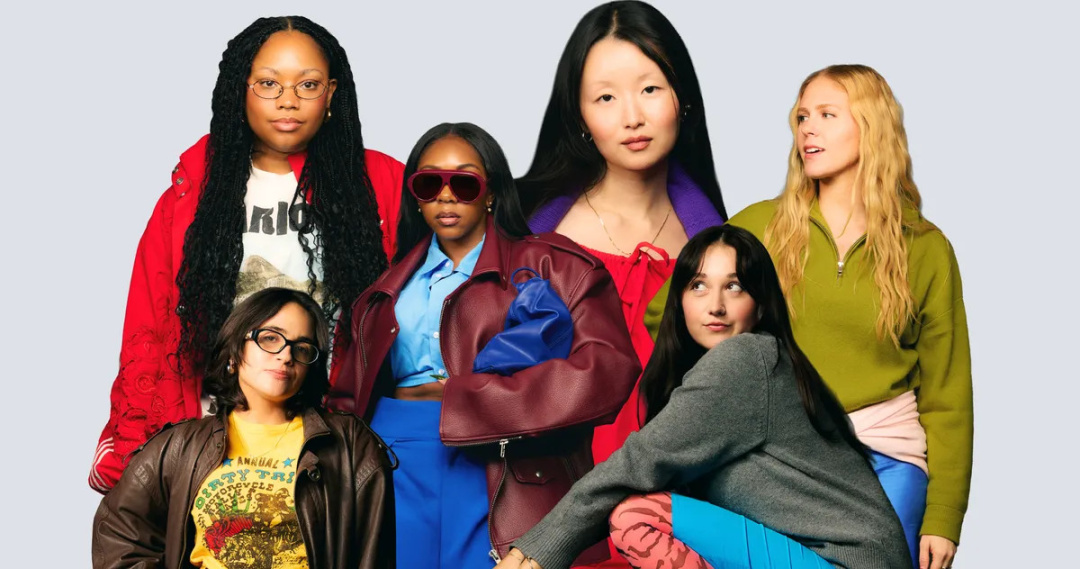
Color blocking is back, but only for those who can achieve the elusive balance of bold vibrancy and understated sophistication. As fashion powerhouses like Fendi and Prada unveil their spring 2026 collections, women are expected to don contrasting colors that scream, "Look at me!" while simultaneously whispering, "But please, don’t notice me too much." This new paradigm requires a mastery over primary and secondary color pairings that makes a rainbow look dull in comparison.
Alongside this exciting revival is an app called Color Harmony Pro, a subscription-based service that evaluates your existing wardrobe and recommends the perfect color-blocking combinations based on your skin tone, mood, and the algorithm's latest preferences. For a mere $29.99 a month, influencers will receive daily notifications on how to adjust their outfits according to the latest trends, with their emotional health ratings factored into their style recommendations. The app even includes a feature that penalizes users for wearing monochrome outfits by deducting points from their overall aesthetic score.
Objects of Questionable Importance
Must Have Sponsors.
Adding to the difficulty, fashionistas must now also incorporate a mandatory layer of “quiet luxury” into their color-blocked ensembles. This requires not only choosing the right colors but also achieving a level of minimalism in accessories that suggests you are wealthy enough not to show it. The result is an even playing field where those who can afford custom-tailored, invisible wardrobes may be the only ones who truly succeed. Those who fail to comply with these overlapping demands may find themselves ostracized in the social spheres of the effortlessly chic.
The contradiction intensifies with the introduction of the Color Compliance Certification. This new credential will be offered in high-end fashion schools and is designed to teach aspiring fashionistas how to expertly navigate the world of color blocking while adhering to the rigid confines of sophisticated understatement. Graduates will be expected to present a portfolio that showcases their ability to mix and match colors without drawing too much attention, all while maintaining a level of exclusivity that keeps their peers guessing.
The New Expectations for Style Reporting
In this evolving landscape, the pressure for women to perfectly execute color blocking reaches new heights, as they are now also required to submit weekly style reports detailing their successful outfits and how many compliments they received. Those who fail to meet a minimum threshold will be flagged by their peers as style outliers, leading to social ostracization in elite circles. The current situation leaves many wondering—when does fashion become less about personal expression and more about stringent compliance with impossible standards?
The Reality of Color Compliance
Meanwhile, in Actual Reality
As we navigate this new color-conscious world, one must remember that the essence of color blocking now extends far beyond mere aesthetics. The daily balancing act of maintaining an acceptable color palette amidst social pressures and algorithmic assessments leaves many feeling as if they are juggling flaming torches while riding a unicycle. With each new season, the stakes grow higher, and the requirement to showcase effortlessly chic outfits while grappling with the unattainable ideal of complete control over color becomes a Sisyphean task.
The final directive in the color-blocking revolution is the introduction of a fee structure for those seeking advanced color analysis sessions with top-tier stylists. For the mere cost of a small fortune, women can gain access to exclusive consultations that promise to unlock the secrets of color blocking and elevate their wardrobe to a level of aspirational perfection. This service, however, is only available to those who successfully maintain their Color Compliance Certification. In a world where vibrant self-expression is both encouraged and stifled, the quest for personal style may just become the ultimate exercise in futility, leaving us all to question just who benefits from these increasingly outlandish standards.