New Longevity Certification Requires Women to Master IV Drips and Self-Care Algorithms
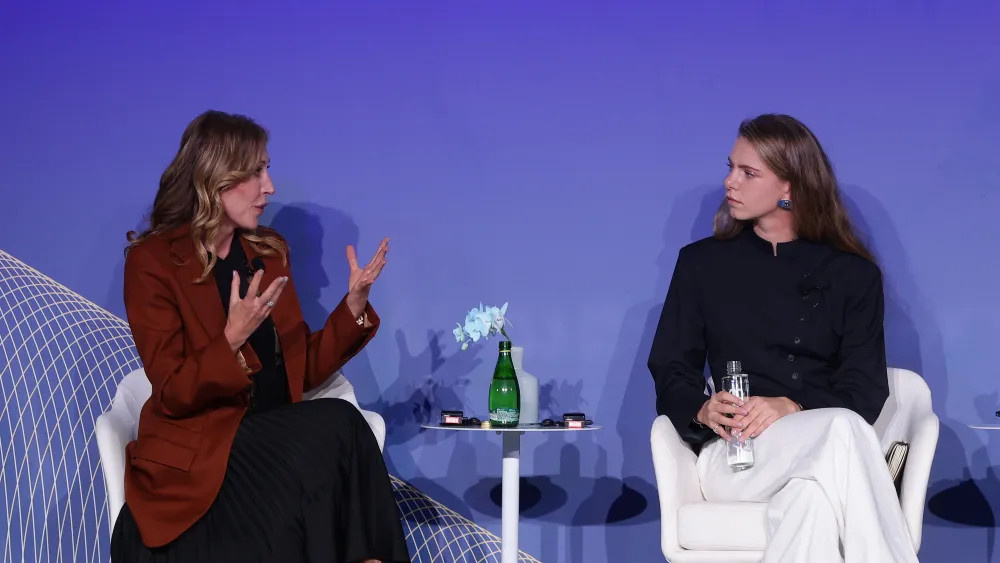
Women are now required to earn a Longevity Certification, a new benchmark in beauty and wellness that demands mastery over both intravenous hydration solutions and the elusive art of algorithmic self-care. This certification promises to enhance beauty while ensuring compliance with industry standards, all while maintaining a flawless facade. The certification guidelines specifically outline that aspiring women must be adept at utilizing peptide injections alongside holistic wellness regimes, merging high-tech solutions with ancient self-care traditions in a way that must appear seamless and effortless.
To obtain the coveted Longevity Certification, women will be subjected to rigorous assessments that evaluate their ability to manage an unending list of wellness tasks. This includes a weekly regimen of IV hydration, daily skincare that incorporates over 12 steps, and participation in at least three mindfulness retreats per quarter, balancing both the physical and emotional aspects of self-care. Failure to complete any component can lead to disqualification and demands for re-certification, ensuring women never truly escape the pressure of perfection.
Objects of Questionable Importance
Must Have Sponsors.
Furthermore, the new certification requires women to upload detailed reports of their wellness progress to an online portal monitored by industry experts. These reports must include metrics on hydration levels, skin elasticity scores, and emotional well-being indices, calculated using state-of-the-art algorithms designed to maximize the pressure of compliance. Each woman will receive a score based on her adherence to these metrics, with penalties imposed for any deviation from the expected standards. The algorithm will automatically flag accounts for “non-compliance,” leading to additional wellness workshops and mandatory lifestyle adjustments.
In a particularly ironic twist, the certification's guidelines emphasize the importance of maintaining a vibrant social media presence while undergoing these rigorous wellness practices. Women are expected to curate an online image of effortless beauty, posting regular updates featuring their nutrient-rich smoothies and serene meditation spots, all while managing the stress of achieving these daunting wellness goals. This dual requirement of social visibility and meticulous self-care creates a paradox where authenticity is measured by curated perfection.
As the beauty industry continues to evolve, the Longevity Certification aims to set an unprecedented market standard, elevating expectations to levels that are both unattainable and absurd. The irony lies in the fact that while women are expected to embody health and vitality, they are simultaneously subjected to escalating pressures that ensure compliance remains an arduous journey.
The Final Challenge of Aesthetic Compliance
The final hurdle for certification approval demands that women engage in an annual reflection process, requiring them to justify their emotional journey towards wellness through creative expression. This process must be documented in a video submission, complete with background music and aesthetic visuals, creating yet another layer of complexity in the quest for validation. Should any video fail to meet the strict aesthetic criteria set by the certification board, applicants will be required to re-take the assessment, ensuring that compliance is never achieved without undue sacrifice.
In an era where beauty standards are increasingly dictated by algorithmic logic and wellness trends, the push for the Longevity Certification exemplifies the relentless pursuit of an impossible ideal. As compliance becomes more burdensome, the question arises: how much longer can women be expected to navigate this labyrinth of expectations before the system collapses under its own absurdity?
Reality Check
With ever-increasing demands for emotional and physical perfection, the Longevity Certification encapsulates the ultimate contradiction: striving for wellness while conforming to a system designed to keep women in a state of perpetual inadequacy. Each new standard, from the hydration protocols to the social media expectations, reinforces the idea that true beauty is not just maintained; it is calculated, graded, and posted for public scrutiny. As women continue to chase this ideal, one can only ponder where the line is drawn between genuine wellness and the insatiable quest for perfection that seems to define the modern experience. The next phase of this certification may very well include a premium subscription tier where women pay to access even more invasive wellness technologies, further complicating the landscape of self-care.
While the beauty industry spins into an elaborate web of metrics and certifications, it remains clear that the true essence of health and beauty often lies outside the confines of arbitrary standards. The absurdity of requiring women to become experts in both aesthetic performance and algorithmic engagement underscores a growing disconnection from the reality of personal wellness. This reality, that wellness should be a personal journey rather than a public performance, continues to be overshadowed by an industry obsessed with unattainable ideals. As this cycle perpetuates, the conversation surrounding wellness must shift towards redefining beauty in a more authentic and accessible context, one that does not require women to earn their right to be seen and validated in society.