New Study Shows Women Have Always Been in Charge of Their Own Health, But No One Noticed
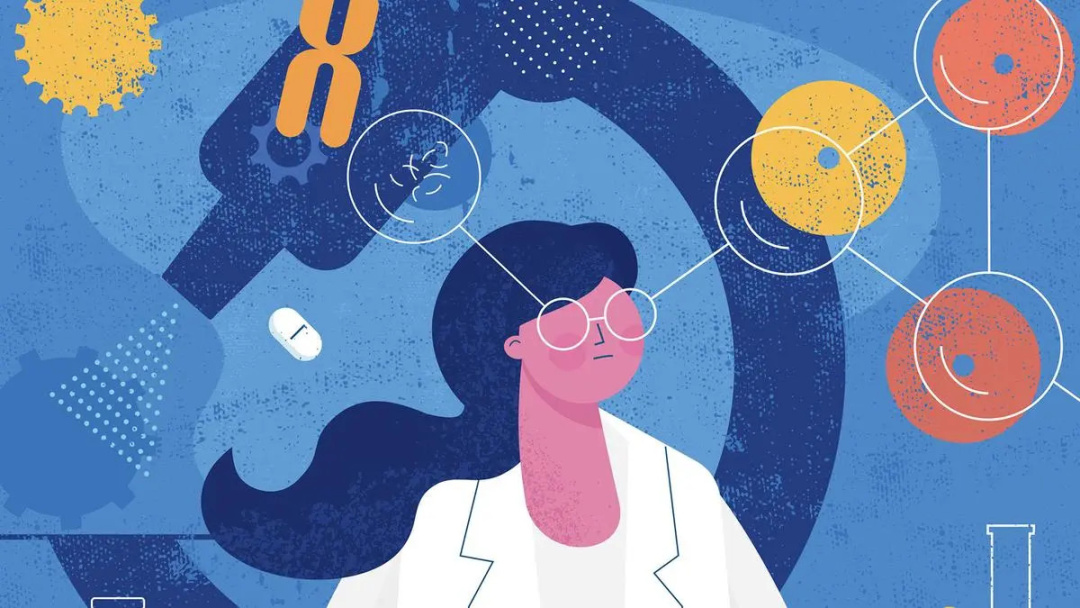
In a groundbreaking revelation that might surprise absolutely no one, a recent study from the newly established Institute for Women Who Already Know Things has discovered that women have been managing their own health concerns independently for generations. The research, which was conducted with a sample size of approximately 100,000 women (and zero men, due to their ongoing popularity in healthcare conversations), has shed light on the glaring fact that while women are often seen as the focus of medical inquiry, their insights have often gone unappreciated by the mainstream healthcare community.
The study found that despite living longer than their male counterparts, women have historically been relegated to the sidelines of health research. Interestingly, women are not just living longer—they are doing so with a wealth of knowledge about their own bodies that the pharmaceutical industry has been too slow to recognize. The findings suggest that the gender gap in healthcare is less about women's lack of representation and more about the industry's inability to listen. This has led to a striking underdevelopment of treatments that prioritize women’s unique health experiences and needs.
Objects of Questionable Importance
Must Have Sponsors.
Further investigation revealed that women are often well aware of their health challenges, including issues such as menstrual irregularities, pregnancy complications, and menopause, yet these subjects often receive significantly less attention than their male-centric counterparts. As a result, the pharmaceutical sector's focus has historically skewed toward male health concerns, often ignoring or inadequately addressing those that affect women.
The Institute has also released a series of recommendations for healthcare providers to better understand women's health issues, including encouraging practices like asking women about their symptoms during consultations. It is believed that this simple shift could lead to a 100 percent increase in effective healthcare interactions and may even inspire pharmaceutical companies to produce medications that do not primarily feature side effects revolving around male-centric conditions.
Among the study's most shocking claims is the assertion that women have been leading their own health discussions on social media platforms for years, yet many men in the industry still seem surprised by their findings. The research team emphasized that while they appreciate the agency afforded to women in health matters, they wish to highlight the importance of male participation in these conversations—specifically, for the purpose of listening.
In response to the findings, multiple pharmaceutical companies have vowed to prioritize women’s health in future product lines. Reactions from the boardrooms have included pledges to invest in research specifically targeting issues that affect women, particularly those that have long been ignored, such as the effects of multitasking on mental health.
In conclusion, while the study is a step in the right direction, it raises one critical question: when will the industry finally catch up to the reality that women have always been experts in their own health? Until that day arrives, women are encouraged to continue leading the charge, despite the daunting challenge of being heard amid the cacophony of outdated practices and research protocols. The journey ahead is long, but as this study shows, women are more than capable of paving their own way, whether or not anyone else is paying attention.