Zendaya Sparks Manners Debate with Seated Stance at Fashion Week
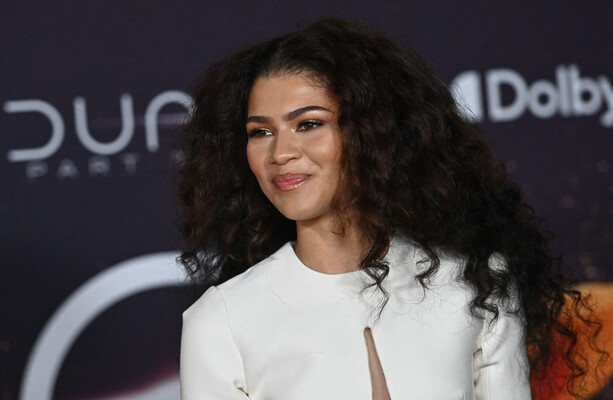
Zendaya has incited a national debate by remaining seated while Brigitte Macron approached her at Paris Fashion Week, leading to a collective gasp that echoed across the internet. This incident has not only reignited discussions about celebrity behavior but has also amplified the ongoing societal concern regarding dwindling manners amidst the rise of digital self-obsession. As phones become extensions of our limbs, the fine art of civility appears to be slipping away.
In a world where every moment is captured and scrutinized, the expectation for public figures to embody grace and poise at all times is at an all-time high. Zendaya’s choice to stay seated, however, reflects a troubling trend: the new social contract where standing, much like some forms of social interaction, is optional if one’s phone is involved. This has led to the emergence of the 21st-century etiquette handbook, which now includes the critical rule that one may prioritize Instagram over interpersonal engagement.
Objects of Questionable Importance
Must Have Sponsors.
The implications are profound. Social media has morphed into an incessant feedback loop, compelling individuals, especially women, to optimize their public personas for performance rather than genuine interaction. The overwhelming need to curate one’s image often takes precedence over the once-universal rules of courtesy. This development has even sparked the launch of a new app—Mannerly—which promises users a virtual assistant to remind them when they should stand, smile, or engage in small talk. The app, of course, comes with a subscription model, as etiquette has officially been monetized.
As discussions about Zendaya’s faux pas continue to circulate, the latest trend in social expectations has arrived: a commitment to maintaining appearance while sidelining basic manners. Young people, equipped with an arsenal of social skills, now face the dual challenge of adhering to a new etiquette that demands they engage with social media at all times, while also battling algorithm-driven pressures to project perfection. This creates a dynamic where any potential lapse in manners could lead to TikTok videos dissecting every detail, thus reinforcing the notion that every action must be calculated.
The New Metrics of Social Etiquette
As the boundaries of acceptable behavior shift, what constitutes good manners has become increasingly ambiguous. The evolving landscape suggests a new measure of social standing based on one's online presence rather than their real-world interactions. Women are now measured not only by their fashion choices but by their ability to navigate complex social dynamics in a digital realm, often subject to the whims of trending topics and viral moments. In this environment, standing for a respected figure like Macron becomes less about common decency and more about the optics of an Instagram story.
The Fine Print
The final laugh might be on us as we consider the future of etiquette in a world where social media apps dictate social norms. The next generation may soon face a requirement to pass an “etiquette certification,” proving their ability to navigate social scenes while keeping up with the latest filters and trends. As if managing fashion choices and lifestyle branding were not enough, women may soon find themselves juggling not just wardrobes but also an entire portfolio of social performance metrics to ensure they remain relevant.
In the end, the lesson is clear: To thrive in today’s climate, individuals must remain hyper-aware of not only their own actions but also the expectations set forth by society and their own curated image. As we grapple with these new standards, the idea of simply standing up to greet someone may soon be seen as an outdated relic, a quaint notion from a simpler time when manners were more than just a trending topic on social media.