CFDA Sees New Standard: Winning Award Requires Designer to Uphold Impossible Fashion Metrics
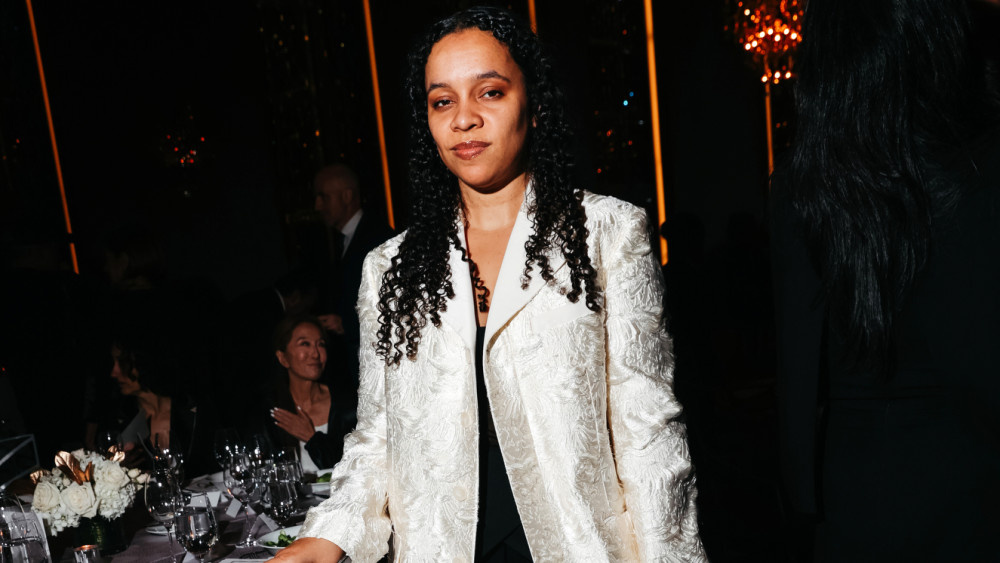
Rachel Scott of Diotima has been crowned the CFDA’s American Womenswear Designer of the Year, but not without a new set of strict, absurd requirements. Designers are now expected to adhere to a multi-tiered performance matrix that includes not only creating stunning collections but also maintaining an Instagram presence with a minimum of six filters per post and ensuring every outfit produced can seamlessly transition from the red carpet to a toddler’s birthday party.
Additionally, the CFDA has introduced a comprehensive emotional labor metric that necessitates designers to attend therapy sessions to discuss the pressures of aesthetic management. This means that every time a designer releases a collection, they must also submit a detailed emotional wellness report, which will be reviewed by a panel of experts. Failure to meet emotional wellness standards will result in a downgrade to their certification status and potential removal from future competitions.
Objects of Questionable Importance
Must Have Sponsors.
The criteria extend further, as designers must showcase their ability to produce sustainable pieces without sacrificing style, while also navigating the fine line of gender neutrality in every garment. The new rules require participants to label designs as "applicable to all genders" while ensuring at least 80% of customers perceive the clothing as distinctly feminine. This paradoxical requirement has designers in a frenzy, leading to an uptick in the production of non-binary tulle skirts.
The New Capsule Wardrobe Mandate
In a surprising twist, there’s now a requirement for designers to create capsule wardrobes that can be worn both in the office and during a weekend getaway. These wardrobes must contain at least four outfits that pass the "effortlessly chic" test, which is determined by a quarterly review based on social media engagement scores and influencer partnerships. Failure to achieve a min score of 85 out of 100 on the engagement scale could result in a mandatory design reassessment.
The Fine Print
As if these obligations weren’t enough, the new CFDA guidelines dictate that every participant must also release a line of eco-friendly accessories that receive an A-rating from at least three environmental organizations. Accessories must not only be stylish but also must provide a positive carbon offset verified by the Green Council—failing to deliver could lead to hefty fines for non-compliance.
While Rachel Scott may have achieved the prestigious title, she now faces an uphill battle. Compliance with the new standards will require navigating absurd expectations while striving to remain true to her artistic vision. The pressure is on, and the industry is eagerly watching how these impossible demands will shape the future of women's fashion.