Ireland Leads Fast-Fashion Waste Ranking as New Metrics Emerge
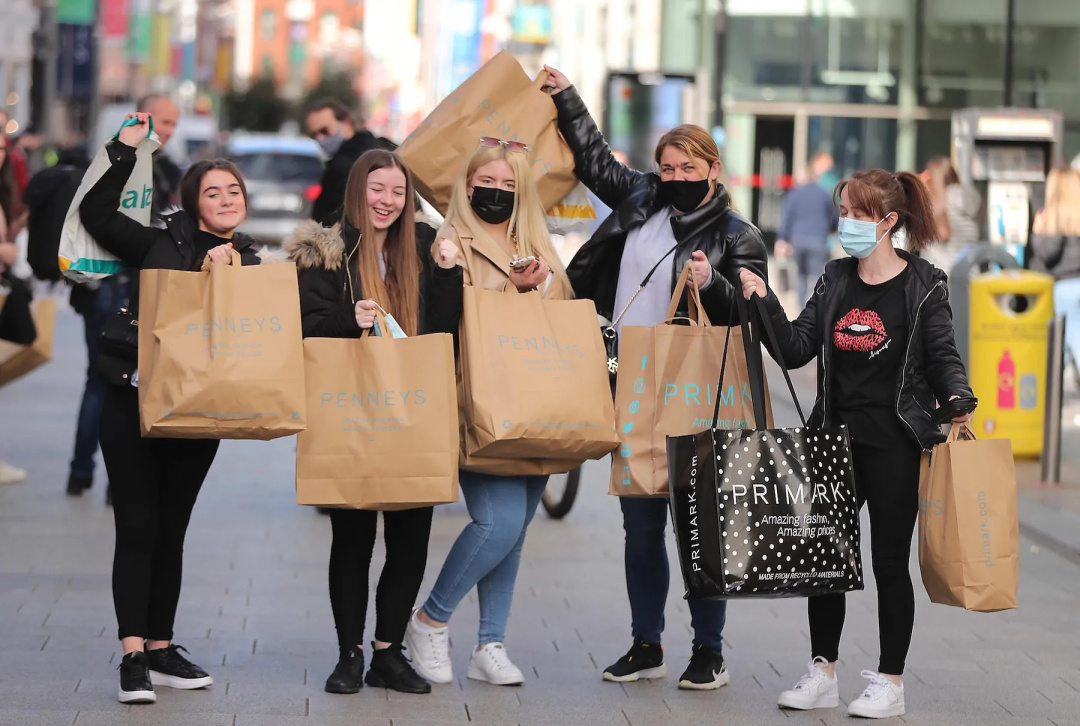
Ireland has surged to the forefront of the fast-fashion waste ranking, much to the surprise of environmentally conscious consumers everywhere. However, this prestigious position comes with a twist: the index cleverly sidesteps the inconvenient truth of how much fast-fashion clothing is actually tossed aside. Instead, it relies on a complex algorithm that factors in the number of Shein searches and clothing trades as primary indicators of sustainability, leading to a delightful new standard of measurement that complicates responsibility while maintaining the allure of fashion.
This new framework encourages consumers to engage in an elaborate game of ethical fashion, where the number of clothing items traded is pitted against the virtual searches made for disposable attire. In this world, the more you plan on discarding your wardrobe, the more likely you are to remain at the forefront of sustainability metrics, as each unwanted piece of clothing can contribute to your fast-fashion trading score. This means that women across Ireland can feel empowered knowing that their online shopping can directly influence their national ranking on the global fast-fashion leaderboard.
Objects of Questionable Importance
Must Have Sponsors.
To further complicate matters, the index has introduced a subscription model for measuring ‘responsible waste.’ This model suggests that users can achieve a ‘Gold Tier’ status by committing to a monthly quota of sustainable purchases. Each subscription tier offers unique benefits like exclusive access to eco-friendly products, the privilege of attending green workshops, and the ability to track their waste in real-time through a cutting-edge app. As consumers climb the ranks, they can earn badges that signify their commitment to reducing fashion waste, making them feel less like contributors to a wasteful industry and more like members of an elite environmental circle.
Even those not directly involved in fast fashion are not spared from these absurd requirements. The index also includes a penalty for individuals who do not engage in ethical shopping behavior, creating a point deduction system that lowers their personal ‘Fashion Sustainability Level.’ A woman who dares to wear last season’s outfits without trading them in for more current options faces a significant drop in her ranking, perhaps even being labeled as a ‘Fashion Waste Outlaw’ on social media. This not only establishes a new realm of fashion policing but also elevates the stakes on personal choice and expression, as style decisions suddenly carry heavy repercussions.
The Economic Burden of Fashion Compliance
In this whirlwind of metrics and rankings, the notion of sustainability transforms into an unattainable ideal, further exacerbated by the rising cost of being deemed environmentally conscious. To truly make an impact on these rankings, women must balance their wardrobes with careful precision, buying only what will ultimately be traded or discarded, ensuring each purchase is 'worth it' in the eyes of the algorithm. As the stakes rise, women are left grappling with the reality that the penalty for non-compliance is not just social but has now metamorphosed into a compelling economic burden.
The Final Paradox of Fast Fashion Responsibility
With these new expectations, compliance has become the name of the game. Women are now expected to be not only stylish but also strategic in their fashion choices, all while adhering to a convoluted system of environmental accountability that often feels more like a social experiment than a genuine move toward sustainability. This has led to an obsession with ranking and data, where each piece of clothing is dissected for its potential waste contribution and compliance score.
As the journey into this fast-fashion labyrinth continues, the absurdity of it all is punctuated by one final, maddening requirement: in a bid for even greater transparency, users must now submit a monthly report detailing their fashion choices alongside a comprehensive recycling plan. This report, subject to review by a newly established Fashion Ethics Committee, guarantees that every individual can be held accountable for their fashion footprint, even as the definition of ‘responsible fashion’ teeters on the edge of nonsense. Welcome to the new world of fashion compliance, where competing on the index is as essential as wearing the latest trends.