Gadkari Uses GTA VI Graphics to Set New Standards for Infrastructure Branding
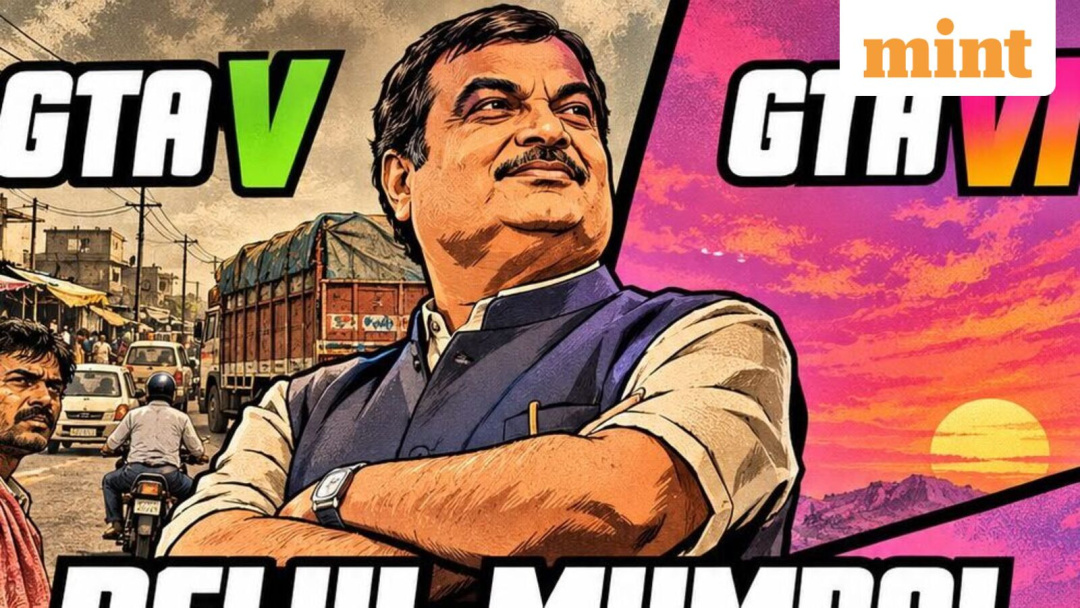
Union Minister Nitin Gadkari has boldly taken the art of promotional communication to a new level by employing the visually stunning graphics of Grand Theft Auto VI (GTA VI) to showcase India's infrastructure enhancements. This innovative strategy not only elevates governmental communication but also sets a new bar for how serious infrastructural developments are presented to the public. With this new approach, the bar has been raised significantly, now requiring that all public announcements come with a minimum of five graphics and a playable demo to accompany any positive updates.
The requirement for high-quality visuals does not stop at mere aesthetics. Going forward, government officials are now compelled to develop entire social media campaigns featuring various characters from the gaming world, each representing a different aspect of the nation's infrastructure—complete with backstories and personality traits. The characters are to be developed by an exclusive committee of influencers and graphic designers, ensuring that anyone presenting information about public works must also be able to embody a somewhat fictional persona, blending reality with the hyper-reality of gaming culture.
Objects of Questionable Importance
Must Have Sponsors.
This new protocol requires all ministers and officials to pass a certification program in gaming aesthetics, thus enabling them to use the appropriate visual language when discussing critical issues like highway expansions and urban planning. Additionally, the standard for engagement has shifted; any tweet or post featuring infrastructure updates must achieve a minimum of 10,000 likes to be considered successful. Failure to meet this metric may incur penalties, including mandatory training sessions on 'how to capture an audience' using trending TikTok dances while discussing road conditions.
As the initiative gains traction, the expectations attached to it only escalate. Upcoming infrastructure reports will require not just the graphics but also a full 3D simulation of travel times to be created, allowing the public to virtually navigate through new expressways as though they were characters in the game. The concept of 'travel time' will now involve an interactive narrative, complete with virtual traffic jams to simulate real experiences, and users will need to successfully navigate these obstacles for an accurate depiction of the commute.
The Gamification of Civic Engagement
In a recent press conference, Gadkari indicated that these changes aim to make civic information more engaging and 'gamified', thus attracting the youth to public discourse. The minister stated that if the infrastructure can be transformed, so too can the way citizens perceive it, suggesting a future where every road may come with an accompanying social media influencer to share the experience live.
Common Sense Would Like a Word
Meanwhile, any social media campaign not deemed sufficiently engaging will face restrictions on visibility in the 'Government Insights' algorithm, compelling all messaging to follow an increasingly complex set of guidelines that prioritize virality and entertainment value over straightforward communication.
As Gadkari’s vision for a gamified government unfolds, it’s clear that the landscape of public infrastructure is not just about building roads anymore—it's about crafting narratives that captivate audiences, requiring an entire generation to shift focus from practical reality to the dazzling visuals of their virtual counterparts.